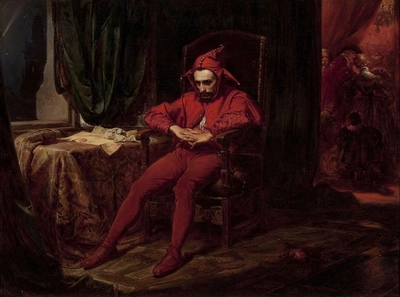
An empath is the person everyone turns to when life gets messy—and they never say no.
They’re the ones who somehow know you’re struggling before you tell them. They’re the friends who drop everything to help you move, even when they’re exhausted. They’re the coworkers who remember your birthday when everyone else forgets. They’re the strangers who offer genuine kindness in a world that’s forgotten what that looks like.
But here’s what nobody tells you about empaths: they’re operating with a completely different emotional wiring system than everyone else.
While most people feel sympathy for someone going through a hard time, empaths feel their pain as if it were happening to them. When you’re anxious, their heart races. When you’re sad, they carry that weight in their chest. When you’re angry, their nervous system responds as if they’re under attack.
This isn’t just being “sensitive” or “caring.” This is having a brain and nervous system that processes emotions differently. It’s being born with the ability to absorb and feel the energy of everyone around you—whether you want to or not.
And the most incredible part? They use this overwhelming sensitivity not to withdraw from the world, but to heal it.
What’s an Empath
An empath is a highly sensitive individual who absorbs the energy of others—both positive and negative—like an emotional conductor.
They don’t just understand what you’re feeling; they experience it alongside you. When you hurt, they hurt. When you celebrate, they celebrate. When you’re afraid, their body responds as if the danger were real and immediate.
These extraordinary people are naturally giving and extremely nurturing. They’re the ones who create safe spaces simply by existing. People instinctively trust them with their deepest secrets, their worst fears, their biggest dreams. There’s something about their presence that says “you can be yourself here, completely and without judgment.”
Empaths possess an almost supernatural ability to see beyond masks and pretenses. They recognize authenticity instantly and can spot manipulation from miles away. They understand human nature in ways that often surprise even themselves—reading between the lines of conversations, picking up on energy shifts others miss entirely.
But perhaps most remarkably, empaths transform pain into purpose. They take the emotional weight they absorb and somehow alchemize it into healing—not just for themselves, but for everyone they touch.
Signs You Might Be an Empath
You Have an Abundance of Empathy
Your empathy goes far beyond normal compassion. You don’t just feel bad for someone going through a tough time—you feel their pain as if it were carved into your own heart.
You can’t watch sad movies without crying, can’t hear about injustice without feeling personally affected, and can’t witness someone’s joy without your own heart expanding with happiness.
You Care Deeply for Others and Love to Help
Helping others isn’t something you do occasionally—it’s hardwired into your DNA. You genuinely cannot rest when you know someone is struggling and you have the power to help.
You Have Sharp Intuition
Your gut feelings are rarely wrong. You can sense when something’s off about a person or situation long before any logical evidence appears.
You pick up on subtle energy shifts, read between the lines of conversations, and notice details others completely overlook.
Your intuition isn’t guesswork—it’s data processing at a level most people can’t access.
Your Moral Compass Is Solid
You have an unwavering sense of right and wrong, especially when your actions might affect other people’s wellbeing.
You lose sleep over decisions that might hurt someone, even unintentionally.
You’d rather suffer yourself than cause pain to another person. Your ethics aren’t flexible—they’re fundamental to who you are.
You Have Strong Aversion to Injustice
Injustice doesn’t just anger you—it physically affects you.
You can’t understand how others can witness unfairness and simply shrug it off.
Whether it’s seeing someone being bullied, discriminated against, or treated poorly, you feel compelled to act.
You’re often the voice for those who can’t speak for themselves.
People Often Confide in You About Their Problems
Strangers tell you their life stories in checkout lines. Friends share secrets they’ve never told anyone else. Coworkers confide their fears and struggles to you.
There’s something about your energy that makes people feel safe to be vulnerable.
You’re a natural confidant, and people trust you with their deepest truths.
You See Things Others Miss
You notice the micro-expressions, the slight changes in tone, the energy shifts in a room. You pick up on what people aren’t saying as much as what they are.
Some people might tell you you’re paranoid, but you’re actually processing information they’ve missed—subtle cues and emotional undercurrents that reveal the real story.
You Are Easily Affected By the Mood of Others
Walk into a room where there’s been an argument, and you feel the tension immediately. Spend time with someone who’s depressed, and you leave feeling heavy. Be around joyful people, and you can’t help but smile.
Other people’s emotional states become your emotional states, whether you consciously choose it or not.
You Tend to Feel Uncomfortable in Crowded Places
Large crowds, busy shopping centers, concerts—these environments can feel overwhelming because you’re not just managing your own energy, but absorbing the emotional energy of everyone around you.
You might feel drained, anxious, or emotionally scattered in these situations without fully understanding why.
You May Find It Hard to Set Boundaries
Saying “no” feels cruel, even when you’re exhausted and have nothing left to give.
You worry more about disappointing others than protecting your own wellbeing.
You become the person everyone takes from but nobody gives back to.
You Tend to Isolate
Sometimes the weight of feeling everything becomes overwhelming, and you need to retreat from the world to recharge.
You might disappear for days, avoiding social interaction not because you don’t care, but because you care so deeply that you need time to process all the emotions you’ve absorbed.
What Causes Someone to Be an Empath?
Some empaths are born with this innate ability—a gift of high sensitivity often inherited from a parent who shares the same traits. It’s written into their genetic code, part of their essential nature from the moment they enter the world.
Others develop empathic abilities as a survival mechanism. Growing up in environments where reading emotional cues was necessary for safety—homes with addiction, mental illness, or instability—these individuals became hyper-aware of others’ emotional states to protect themselves. Their empathy was forged in necessity.
Some people claim that an empath’s behavior comes from seeking attention and validation, but this couldn’t be further from the truth. Empaths actually tend to avoid attention, often feeling uncomfortable when the spotlight turns to them.
This misconception usually comes from the mouths of narcissists who can’t comprehend genuine care without ulterior motives—it’s pure projection.
Types of Empaths
It’s commonly shared that there are several types of empaths: Emotional Empaths, Physical Empaths, Intuitive Empaths, Animal Empaths, Plant Empaths, Psychic Empaths, and Telepathic Empaths.
However, that’s not what we’ll cover in this article, as I believe those classifications miss the most important aspects of being an empath.
Instead, there are two crucial types that every empath should understand:
The Unbalanced Empath
This is an empath who hasn’t learned how to set boundaries. They’re overgiving, self-sacrificing, and constantly depleted.
They say yes when they mean no, give their last dollar to someone in need while struggling themselves, and wonder why they always end up hurt and exhausted.
They mistake self-destruction for selflessness.
The Integrated Empath (AKA Dark Empath)
This is an empath who was once unbalanced but has been through hard experiences—often narcissistic abuse or being repeatedly taken advantage of—which led them to learn balance.
They’ve discovered how to set strong boundaries, stop self-sacrificing for ungrateful hands, and protect their energy while still maintaining their compassionate nature.
They’re empaths with wisdom.
Empath Vs Narcissist
In my opinion, empaths and narcissists are two extremes of the human experience. One is flood, the other is void. Both are unhealthy in their extreme forms.
The empath can find balance and become integrated because when they’re hurt, they look inward and ask “what role did I play in this?” and “how can I make sure this never happens again?” They take responsibility for their part and use pain as a catalyst for growth.
However, the narcissist is generally unable to heal according to general consensus and studies because when they’re challenged, they look outward and ask “who can I blame for making me feel this way?” They deflect responsibility and use pain as justification for hurting others.
The empath’s greatest strength is their ability to self-reflect and evolve. The narcissist’s greatest weakness is their inability to look honestly at themselves.
How to Live a Happy Life as an Empath
Educate Yourself and Self Reflect
By learning more about your personality type and engaging in regular self-reflection, you master yourself. You learn your strengths and weak spots, understand your triggers and patterns, and develop strategies that help you navigate life more effectively.
Knowledge is power, and self-knowledge is mastery.
Learn to Set Strong Boundaries
Empaths who don’t learn how to set strong boundaries always end up being taken advantage of. They experience heartbreak, betrayal, and exploitation because they give freely to people who take without appreciation.
Learning to say no, to protect your energy, and to prioritize your wellbeing isn’t selfish—it’s necessary for survival.
Make Time Alone Sacred
Empaths need solitude to recalibrate their energy and process the emotions they’ve absorbed from others. Ideally, you should spend at least a couple of hours each day alone.
Maybe wake up earlier than everyone else and claim those peaceful morning hours. Maybe carve out evening time for reflection.
This isn’t antisocial—it’s essential maintenance.
Date Empaths
By dating someone who’s like you—another empath—you’re more likely to experience an equal give-and-take relationship. They understand your need for alone time, your emotional sensitivity, and your deep capacity for caring.
With non-empaths, you may find yourself constantly giving while receiving little in return, leaving you feeling unfulfilled and drained.
Avoid Narcissists
Empaths are magnets for narcissists because narcissists prey on kindness, generosity, and emotional availability.
It’s crucial to educate yourself about narcissistic behavior patterns so you can recognize the red flags early and protect yourself from their manipulation and exploitation.

Learn how to spot narcissistic manipulation, outsmart it, and reclaim your power.
EXPLORE THE EBOOKEmpath: The Bottom Line
Being an empath isn’t a curse—it’s a calling. Yes, you’ll feel more deeply than others. Yes, you’ll carry burdens that aren’t yours to carry. Yes, you’ll sometimes feel overwhelmed by the intensity of your own compassion.
But you’re also the person who brings light into dark places. You’re the one who sees potential in people who’ve given up on themselves. You’re the healing presence in a wounded world.
The key isn’t to stop being an empath—it’s to become a conscious, boundaried, integrated empath who uses their gifts wisely.
Your sensitivity isn’t something to apologize for. Your caring heart isn’t something to hide. Your ability to transform pain into purpose isn’t something to suppress.
The world doesn’t need you to be less. It needs you to be more—more aware, more protected, more intentional about how you use your remarkable gifts.
You’re not broken. You’re not too much. You’re exactly what this world needs, and it’s time you started believing that.